What is Asbestos and Where Is It Found?
Asbestos is a naturally occurring mineral that was once a popular building material due to its strength and resistance to heat and fire. It was commonly mixed into a variety of products used in homes, especially those built before the 1980s. You might find it in:
- Insulation for attics, furnaces, and pipes
- Cement sheets, shingles, and siding
- Textured paints and popcorn ceilings
- Vinyl floor tiles and the backing on vinyl sheet flooring
- Older appliances like ovens and toasters
While asbestos itself isn’t inherently dangerous when it’s undisturbed and in good condition, its microscopic fibers can become airborne if the material is damaged or disturbed. These fibers can then be inhaled.
The Dangers of Disturbed Asbestos Fibers
The primary danger associated with asbestos comes from inhaling its fibers. When asbestos-containing materials are disturbed—through activities like renovation, demolition, or even just wear and tear over time—these tiny fibers can be released into the air. Because they are so small and lightweight, they can remain suspended in the air for a long time and are easily inhaled. Once inside the lungs, these fibers can become lodged in the lung tissue. This is where the long-term asbestos health risks begin. Unlike many other inhaled particles, asbestos fibers don’t easily break down or get expelled from the body, leading to potential health issues years down the line.
Long-Term Health Consequences of Exposure
Exposure to asbestos fibers can lead to serious and often life-threatening diseases. These conditions typically have a long latency period, meaning they may not appear for 15 to 30 years or even longer after the initial exposure. The most well-known health problems linked to asbestos include asbestosis, a condition causing lung scarring that makes breathing difficult; lung cancer; and mesothelioma, a rare but aggressive cancer that affects the lining of the lungs, abdomen, or heart. It’s important to remember that no safe level of asbestos exposure has been identified, and even short-term, heavy exposure can pose a risk.
Identifying Potential Asbestos Sources in Your Home
Many older homes, especially those constructed before the 1980s, may contain asbestos-containing materials. These materials were commonly used for their heat resistance and durability. Identifying these potential sources is the first step in managing any associated risks.
Common Building Materials Containing Asbestos
Asbestos was incorporated into a wide array of building products. If your home was built during the peak years of asbestos use, you might find it in:
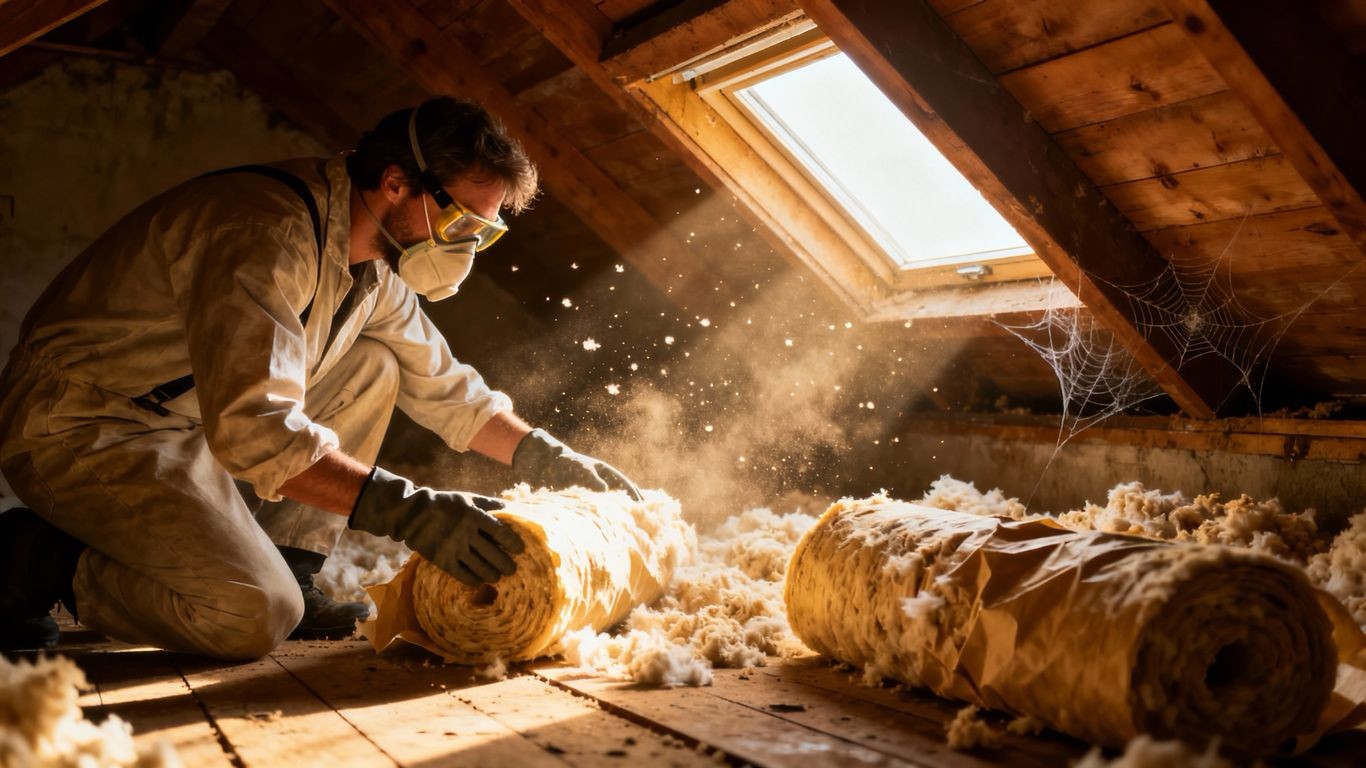
- Insulation:This includes attic insulation, furnace insulation, pipe wrap, and wall insulation. Vermiculite insulation, often appearing as small, pebble-like particles, is a common culprit.
- Flooring:Vinyl floor tiles, sheet flooring, and the adhesive used to install them can contain asbestos.
- Ceilings:“Popcorn” or textured ceilings and acoustic ceiling tiles often incorporated asbestos for sound dampening and fire resistance.
- Walls:Asbestos was used in cement asbestos board (CAB), plaster, and textured paints applied to walls and ceilings.
- Roofing and Siding:Cement shingles, roofing felt, and exterior siding materials could also contain asbestos.
Asbestos in Appliances and Vintage Products
Beyond building materials, asbestos also found its way into various household appliances and consumer goods, particularly those manufactured before the widespread phase-out. If you own vintage appliances or decorative items, be aware that they might contain asbestos. Examples include:
- Older ovens and toasters, which used asbestos for insulation.
- Some types of heaters and furnaces.
- Certain older clothes dryers.
- Vintage refrigerators.
- Some older electrical wiring and insulation.
Recognizing Damaged Materials
The primary risk from asbestos arises when the material is disturbed or damaged, releasing microscopic fibers into the air. While visual inspection alone cannot confirm the presence of asbestos, certain signs might indicate a potential issue. Look for materials that are:
- Crumbling or Fraying:Materials that are breaking apart, especially insulation or textured coatings, may be releasing fibers.
- Water-Damaged:Areas affected by leaks or moisture can degrade asbestos-containing materials, making them more prone to fiber release.
- Physically Damaged:Any material that has been cut, drilled, sanded, or otherwise physically impacted during renovations or repairs is a concern.
It is important to remember that even intact materials can pose a risk if they are disturbed. If you suspect asbestos is present and it appears damaged or is likely to be disturbed by planned activities, it is best to avoid touching it and seek professional advice.
When Asbestos Poses a Risk
Asbestos, a mineral fiber once widely used in construction, doesn’t automatically present a health hazard. The danger arises when these materials are disturbed, releasing microscopic fibers into the air that can be inhaled. It’s the airborne fibers that pose the primary health concern. Understanding when and how asbestos becomes a risk is key to managing its presence in older homes.
The Importance of Intact Materials
When asbestos-containing materials are in good condition – solid, undamaged, and not crumbling – they generally pose little to no risk. These fibers are bound within the material, preventing them from becoming airborne. Think of it like a sealed container; the contents are contained and not accessible. However, this changes dramatically if the material is compromised.
Activities That Release Asbestos Fibers
Several common household activities can disturb asbestos-containing materials and release fibers into the air. These include:
- Renovation and Repair Work:Cutting, sanding, drilling, or demolishing materials like old tiles, insulation, or plaster can break down asbestos fibers. Even seemingly minor tasks can stir up significant amounts of dust.
- Wear and Tear:Over time, materials can degrade. Insulation around old pipes or furnace ducts might become brittle and start to fray, especially if it’s in a high-traffic area or subject to vibration.
- Improper Cleaning:Dry sweeping or vacuuming debris that might contain asbestos can aerosolize the fibers, making them easy to inhale. This is why specific cleaning protocols are necessary if contamination is suspected.
- Natural Deterioration:Weathering of exterior materials or the simple aging of interior products can lead to the breakdown of asbestos-containing components.
Understanding Exposure Levels and Duration
The risk associated with asbestos exposure is not a simple yes or no. Several factors influence the potential for developing asbestos-related diseases. These include:
- Concentration of Fibers:The more asbestos fibers in the air, the higher the potential risk. This is directly related to the intensity of the activity disturbing the material and the amount of asbestos present.
- Duration and Frequency of Exposure:Prolonged or repeated exposure to asbestos fibers increases the likelihood of adverse health effects. While short-term exposure to asbestos dust can be dangerous, chronic exposure over many years is often associated with the most severe outcomes.
- Individual Susceptibility:Factors such as a person’s overall health, pre-existing lung conditions, and whether they smoke can influence their individual risk profile. Smoking, in particular, significantly amplifies the risk of lung cancer when combined with asbestos exposure.
Professional Asbestos Testing and Identification
Why Visual Inspection Is Insufficient
It might be tempting to think you can spot asbestos just by looking at a material. After all, you can often tell if something is wood or metal, right? Well, with asbestos, it’s not that simple. Asbestos fibers are microscopic, meaning you can’t see them with the naked eye, even when they’re present in a material. While damaged asbestos might show some fuzzy fibers, this isn’t a reliable indicator. Many materials can look similar, and only laboratory testing can confirm its presence. Relying solely on what you see could lead you to either worry unnecessarily about non-asbestos materials or, worse, miss a genuine asbestos hazard.
The Role of Professional Testing
When you suspect asbestos might be in your home, professional testing is the way to go. Trained professionals have the right equipment and know-how to safely collect samples without releasing fibers into the air. They understand which materials are most likely to contain asbestos and how to handle them. These samples are then sent to accredited laboratories for analysis. The lab uses specialized methods, like Polarized Light Microscopy (PLM), to identify and quantify the asbestos content. This testing provides definitive answers, which are vital for making informed decisions about your home and your family’s health.
Finding Qualified Asbestos Professionals
Locating a qualified professional is a key step. You’ll want to look for individuals or companies that are licensed and accredited for asbestos inspection and testing in your area. Checking with your local or state environmental agencies can often provide a list of certified professionals or laboratories. Online searches for “certified asbestos inspector” or “asbestos testing services” are also a good starting point. When you contact potential professionals, don’t hesitate to ask about their experience, certifications, and the testing methods they use. Getting multiple quotes can also help you find a reputable service that fits your needs and budget.
Safe Practices for Asbestos Management
Managing potential asbestos in older homes requires a careful approach to avoid releasing harmful fibers into the living environment. The primary goal is to prevent disturbance of materials that may contain asbestos. When asbestos-containing materials are intact and undisturbed, they generally pose little risk. However, activities that can break down these materials, such as sawing, sanding, or scraping, can release microscopic fibers into the air, creating a significant health hazard.
Do’s and Don’ts for Homeowners
Homeowners should be aware of specific actions that can either mitigate or exacerbate asbestos risks:
- Doavoid any direct contact with materials suspected of containing asbestos.
- Dotake precautions to prevent damage to potential asbestos sources, such as insulation around pipes or old vinyl flooring.
- Doconsult with home inspectors or real estate agents about any known asbestos concerns in a property.
- Don’tsaw, sand, scrape, drill, or otherwise disturb materials that might contain asbestos.
- Don’tsweep or vacuum debris that could be asbestos-containing; use wet cleaning methods instead.
- Don’tattempt to collect samples for testing without proper training and protective gear.
When to Avoid DIY Renovations
Certain home improvement projects carry a higher risk of asbestos exposure and should be approached with extreme caution. Activities like removing old popcorn ceilings, replacing damaged insulation, or undertaking major renovations in older homes can easily disturb asbestos-containing materials. If you suspect asbestos is present, it is best to avoid DIY work that could compromise these materials. Improper handling during renovations can turn a low-risk situation into a significant exposure event.
Professional Abatement and Encapsulation
When asbestos-containing materials are damaged or need to be removed, professional intervention is necessary. Certified asbestos professionals have the training, equipment, and knowledge to manage these materials safely. They can perform:
- Abatement:This involves the complete removal of asbestos-containing materials from a property. This is often the preferred method when materials are severely damaged or will be significantly disturbed during renovations.
- Encapsulation:This process involves sealing asbestos-containing materials to prevent the release of fibers. This can be achieved by coating the material with a sealant or by enclosing it within a protective barrier. Encapsulation is a viable option when materials are in good condition and unlikely to be disturbed.
It is vital to hire licensed and reputable professionals for any asbestos management work to ensure compliance with regulations and the safety of occupants.
Health Conditions Linked to Asbestos Exposure
Asbestosis: Scarring of the Lungs
When asbestos fibers are inhaled, they can become lodged deep within the lungs. Over time, these microscopic fibers can cause significant irritation and inflammation, leading to the development of scar tissue. This condition is known as asbestosis. The scarring stiffens the lung tissue, making it harder for the lungs to expand and contract properly. This progressive disease can result in shortness of breath, a persistent cough, and chest pain. The severity of asbestosis often correlates with the level and duration of asbestos exposure.
Lung Cancer and Mesothelioma
Exposure to asbestos is a well-established cause of lung cancer. The risk is significantly higher for individuals who also smoke, as the combination of smoking and asbestos exposure has a synergistic effect, dramatically increasing the likelihood of developing the disease. Beyond lung cancer, asbestos is also linked to mesothelioma, a rare and aggressive cancer that affects the lining of the lungs (pleura), abdomen (peritoneum), or heart (pericardium). Mesothelioma is almost exclusively caused by asbestos exposure.
Latency Period of Asbestos-Related Diseases
One of the most challenging aspects of asbestos-related health conditions is their long latency period. This means that symptoms may not appear for many years, often decades, after the initial exposure has occurred. It is not uncommon for diseases like asbestosis or mesothelioma to take anywhere from 15 to 30 years, or even longer, to manifest. This extended timeframe can make it difficult to connect current health problems to past asbestos exposure, highlighting the importance of maintaining thorough records of potential exposures, especially for those living or working in older buildings.
Mitigating Asbestos Risks for Your Household
Preventing Fiber Spread
Keeping asbestos fibers from becoming airborne is the primary goal when managing potential risks in older homes. The key is to avoid disturbing materials that might contain asbestos. If you suspect asbestos is present, especially in areas like attic insulation, pipe wrap, or textured ceilings, it’s best to leave it alone if it’s in good condition. Activities such as sawing, sanding, drilling, or scraping these materials can release microscopic fibers into the air, which can then spread throughout your home. Even simple cleaning tasks can stir up settled dust. To minimize airborne particles, consider using wet cleaning methods or a vacuum cleaner equipped with a HEPA filter for any general cleaning. Also, remember to remove shoes before entering the house, especially if you’ve been outdoors in areas where asbestos might be present in the soil or on surfaces.
Protecting Family Members and Pets
Once asbestos fibers become airborne, they don’t just stay in one room. They can settle on surfaces, clothing, and even pet fur, making it difficult to contain the contamination. This means that everyone in the household, including children and pets, can be exposed. Children, due to their closer proximity to the floor and tendency to put things in their mouths, can be particularly vulnerable. Pets can also track fibers around the house or inhale them. Therefore, any measures taken to prevent fiber release directly contribute to protecting all household members. If you are undertaking renovations or suspect a disturbance has occurred, it’s wise to limit access to the affected area and consider professional cleaning services if the contamination is significant.
Ongoing Monitoring and Maintenance
Managing asbestos risks isn’t a one-time task, especially in older homes. Regular checks of materials that may contain asbestos are important. Look for signs of wear, damage, or deterioration. If materials are intact and undisturbed, the risk is generally low. However, if you notice any crumbling, fraying, or water damage affecting these materials, it’s a sign that professional assessment and intervention might be necessary.
- Inspect regularly:Periodically check materials like insulation, flooring, and ceiling tiles for any signs of damage.
- Address damage promptly:If damage is found, avoid DIY repairs. Contact qualified professionals for assessment and remediation.
- Document findings:Keep records of any inspections, tests, or professional work done related to asbestos in your home.