Spilled coffee, muddy pets, or wild dinner parties, your floors have seen it all. When it’s time to choose tile that can handle real life without draining your budget, the debate never ends: porcelain or ceramic? Too often, myths cloud smart decisions and make affordable luxury seem out of reach.
Debunking the Myth: Porcelain and Ceramic Tiles Are the Same
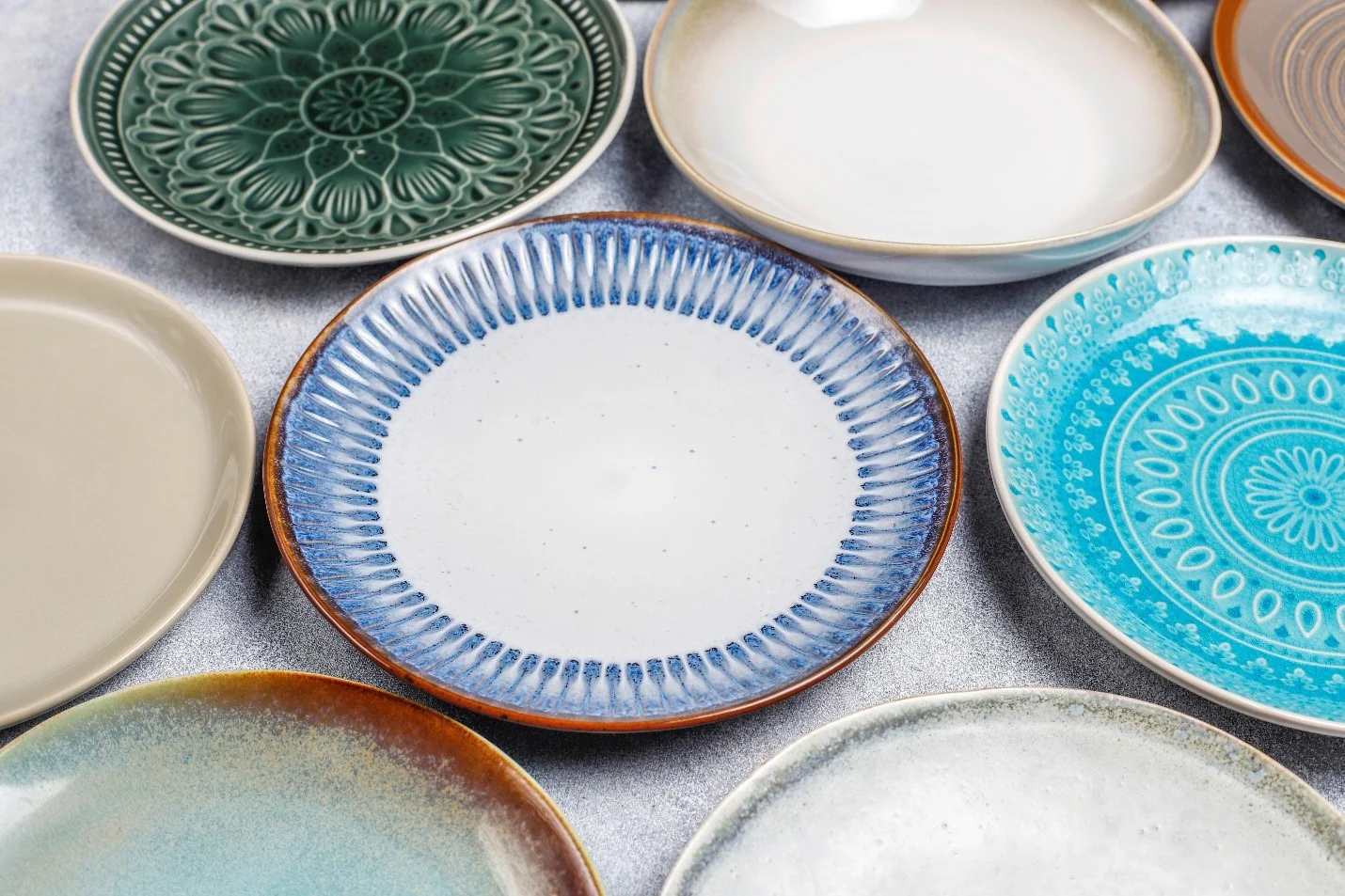
Despite their similar looks, porcelain and ceramic tiles are not identical twins. Both start with clay, but porcelain uses a denser, finer blend and is fired at a higher temperature. This process locks in more strength and water resistance, giving porcelain its signature smoothness and uniform look. Ceramic tiles, on the other hand, have a slightly rougher texture and a touch more personality due to varied clay mixes.
The differences are more than skin deep. Porcelain’s density means it stands up to spills, stains, and heat better than basic ceramic, making it a favorite in high-traffic, splash-prone rooms. Still, the artistry of ceramic tile brings unique charm and warmth, perfect for spaces where character matters.
Myth: Porcelain Tiles Are Always Too Expensive for Budget Buyers
The assumption that porcelain is always the pricier pick is outdated. While it’s true that porcelain typically costs more per square foot at the outset, smart shoppers know to dig deeper. Technology and increased competition have driven prices down, putting quality porcelain within reach for more homeowners than ever.
Long-term value is where porcelain really shines. Its durability often means fewer replacements and repairs over the years, helping stretch every dollar. When comparing porcelain and ceramic, ask yourself: are you saving money today, or investing in fewer headaches tomorrow?
| Tile Type | Avg. Initial Cost (per sq. ft.) | Estimated Lifespan | Maintenance Needs |
|————|——————————-|——————–|——————-|
| Porcelain | $3 – $10 | 30+ years | Low |
| Ceramic | $1.50 – $7 | 20-30 years | Moderate |
Myth: Ceramic Tiles Are Less Durable and Unsuitable for High-Traffic Areas
It’s easy to write off ceramic as fragile, but this myth ignores advances in glazing and manufacturing. Glazed ceramic tiles receive a protective top layer that boosts resistance to water, stains, and scratches, making them a practical choice for kitchens and hallways. Unglazed ceramics, while more porous, find their place in decorative walls and low-traffic areas.
Assess the quality, not just the label. A top-tier ceramic tile can outlast a bargain-bin porcelain. For moderate traffic, ceramic delivers a blend of style and performance without breaking the bank.
Myth: Porcelain Tiles Require More Maintenance Than Ceramic
Some believe that porcelain demands more elbow grease, but the truth is the opposite. Porcelain’s low porosity repels stains and absorbs almost no water. Most spills wipe away with a damp cloth, and cleaning usually means just a mop and mild soap.
Ceramic tiles are also easy to care for but may need occasional resealing to prevent stains from soaking in, especially in wet areas. Both options are far easier to maintain than wood or carpet.
Myth: Porcelain Tiles Are Only for Indoor Use
Porcelain’s durability isn’t confined to your living room. Its resistance to freezing, moisture, and sun fading makes it ideal for patios, walkways, and even outdoor kitchens. This versatility means you can create seamless transitions between indoor and outdoor spaces, extending your style beyond four walls.
Ceramic, while beautiful, is generally recommended for sheltered, indoor environments. Its higher porosity means it may crack or fade in harsh weather, so save those artisan ceramics for cozy interiors.
Myth: Appearance Is the Only Factor When Choosing Tiles
A beautiful tile that fails under pressure is no bargain. Think about where the tile will go. Floors in busy entries? Go for strength and slip resistance. Backsplashes or accent walls? A unique ceramic can make a statement.
Texture, porosity, and finish all impact both looks and performance. Glossy tiles may dazzle in low-traffic areas but could become slippery on a bathroom floor. Sometimes the porcelain vs ceramic debate is less about color and more about function.
Myth: Installing Porcelain or Ceramic Tiles Is Complicated and Costly
Worried about install headaches? Both porcelain and ceramic tiles can be DIY-friendly with the right prep and tools. Porcelain’s density does make it harder to cut, but modern tools and pre-cut options have simplified the process. A professional installer may charge a bit more for porcelain, but the difference is often marginal for small to medium projects.
To keep costs in check:
– Measure your space carefully to reduce waste
– Compare installation quotes
– Consider simple patterns to minimize labor
Small steps like these can make your new tile project both smart and affordable.
Making the Smart Choice: How to Save Without Sacrificing Quality
Choosing between porcelain and ceramic isn’t just a matter of taste or price. Start by considering where the tile will go, how much traffic it will endure, and the style you want to achieve. If your budget is tight but you crave lasting beauty, look for clearance sales or ask for overstock deals at reputable tile shops.
For those wrestling with the porcelain vs ceramic decision, remember: smart savings come from looking beyond the sticker price. Choose the tile that fits your lifestyle, space, and future plans, and you’ll enjoy beauty and durability for years without regret.