
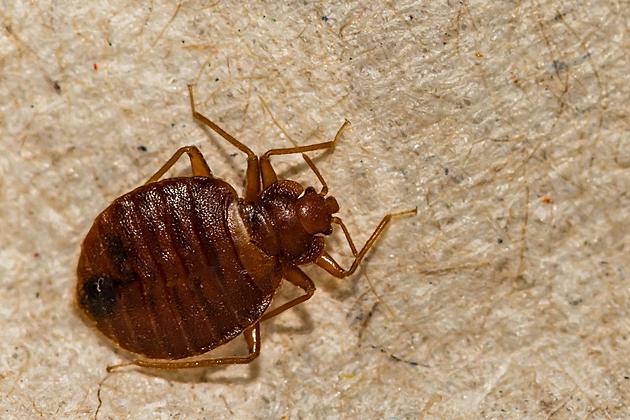
Bed bugs may slip into homes through luggage, used furniture, clothing, or items picked up during a move. These pests can hide in tight crevices and survive for long periods without feeding. That is why homeowners need to avoid making mistakes when dealing with these creatures. With the right bed bug control near me, they can protect their peace and sanity from these invasive pests. Below are common mistakes that must be avoided when handling bed bugs:
Ignoring Early Signs
Many people confuse bed bug bites with irritation from dry winter air or bites from outdoor insects. Bed bugs can leave you waking up with small clusters of itchy marks, notice tiny rust-colored dots on sheets, or see thin shed skins near furniture joints. Early attention limits how much ground the insects gain and reduces the cost and stress that follow larger infestations.
Relying on DIY Sprays Alone
Store-bought sprays may seem helpful, but they may not solve the full problem. Bed bugs hide in tight spots and can survive many over-the-counter treatments. In some cases, sprays push them into new hiding areas, spreading them throughout a room or into neighboring rooms.
In addition, people may spray mattresses or headboards but skip outlets, baseboards, and bed frames. Bed bugs move around, so a partial approach can lead to repeated frustration. DIY steps can help reduce activity, but they may serve as the only solution for Illinois homes. A comprehensive method blocks bed bugs across all hiding points rather than just surface layers.
Throwing Out Furniture Too Soon
Many homeowners think tossing out mattresses or couches solves the problem. Unfortunately, this step may spread the insects even more. Bed bugs cling to fabric, seams, and hidden edges. Carrying infested items through halls, stairwells, or porches may drop insects along the way. New furniture brought in afterward attracts the remaining insects, starting the cycle again.
In many situations, furniture can be treated. Specialized encasements, heat treatments, and thorough inspections can save pieces that seem beyond repair. Before making rash decisions, consider whether the item can be protected or treated. This can save you money and lessen the chances of spreading the insects to other rooms.
Failing to Reduce Clutter
Clutter creates shelter for bed bugs. Bed bugs can hide in stacks of clothes, piles of papers, boxes under beds, and items stored near walls. Many Illinois homes gather more indoor clutter during cold months, which gives bed bugs more coverage as they move around.
A tidy space supports every treatment effort. Clear floors, empty overflowing baskets, and sort through items stored near beds and couches. Treatments can reach deeper zones when things are organized, and fewer objects touch the floor.
Not Washing Fabrics Correctly
Some people wash items on warm cycles or forget to heat-dry fabrics enough to kill insects and eggs. Bed bugs withstand many conditions, but they cannot handle high heat. Long, high-temperature drying cycles break their life cycle fast.
Place infested fabrics in sealed bags before moving them to the laundry room to avoid dropping insects along the way. Wash items on the hottest safe setting and dry them on high heat for at least 30 minutes. Follow up by storing clean items away from infested areas until treatments finish.
Forgetting to Treat Adjacent Rooms
Many people treat only the bedroom where activity first shows up. Bed bugs move easily through small gaps, electrical outlet areas, or shared furniture, so they may spread to nearby rooms. Focusing solely on one area may leave hidden clusters untouched. Living rooms, closets, guest rooms, and hallways may hold insects without obvious signs. Even unused spaces can become quiet shelters for eggs or nymphs.