

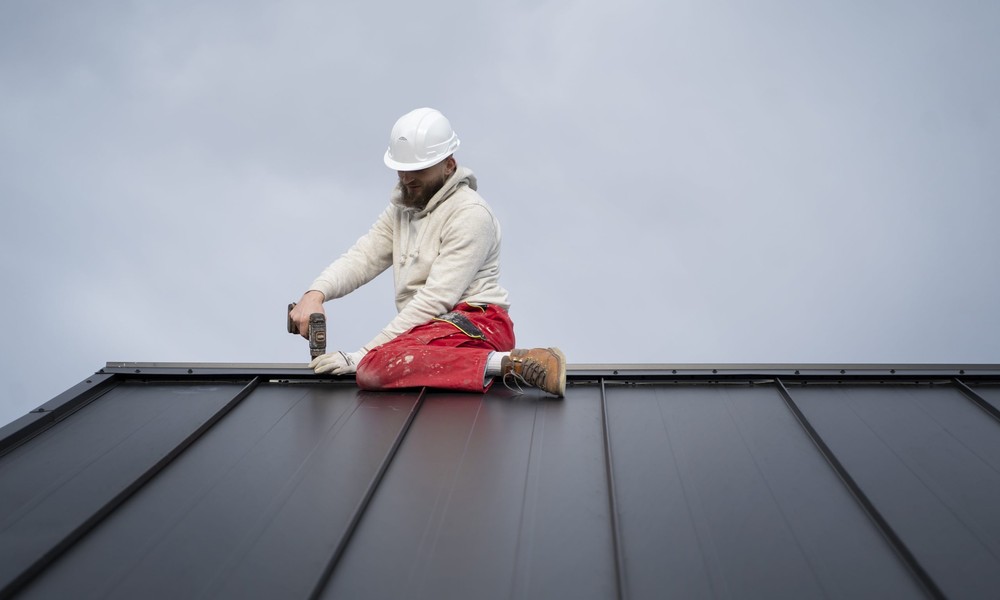
Concrete roof waterproofing is not something most property owners think about until there is a leak. By then, the water has usually been doing damage for a while. A proactive approach, understanding what your roof needs and getting it properly protected, is almost always far cheaper than reactive repairs after the fact.
What Singapore’s Climate Does to Concrete Roofs
Singapore is genuinely tough on rooftops. The combination of intense UV radiation, frequent heavy rainfall, and year-round heat creates conditions that age waterproofing materials faster than in temperate climates. Add the daily thermal cycle – concrete expanding in the midday heat and contracting at night – and it becomes clear why even well-built roofs start to show waterproofing failures over time.
Most of the damage starts small. A hairline crack develops at a construction joint. A membrane starts to lift at a junction with the parapet wall. A drainage outlet that was never properly sealed begins to let water in around its edges. Left alone, each of these small failures grows, and eventually water finds its way into the structure below.
Picking the Right System for Your Roof
There is no single correct answer when it comes to concrete roof waterproofing. The best system for your roof depends on several things: how the current waterproofing has failed, whether the slab has active cracks or just general ageing, how much foot traffic the roof sees, and what access is available for ongoing maintenance.
The main systems used in Singapore are:
- Bituminous sheet membranes – Torch-applied sheets with excellent water resistance and durability. They need UV-protective coating when exposed, but last well when properly installed.
- Liquid-applied membranes – Rolled or sprayed coatings that form a seamless layer across the entire surface. They handle complex shapes and penetrations well and come in UV-stable formulations.
- Crystalline waterproofing compounds – These penetrate the concrete and form crystals inside the pores, giving the concrete itself better waterproofing properties. Often used alongside surface systems for added protection at high-risk zones like cracks and joints.
- Drainage board systems – Where the goal is water management rather than total exclusion, drainage composites direct water away from the slab rather than blocking it entirely.
Junction Details: Where Most Failures Start
Ask any experienced roof waterproofing contractor where leaks come from, and the answer is almost always junctions. The flat membrane surface rarely fails. It is the places where the membrane meets a vertical surface, wraps around a drain, or terminates at a step or edge where problems develop.
These details require skill and patience. The membrane needs to be turned up the parapet wall to a sufficient height – usually a minimum of 150 millimetres. Drain outlets need to be properly integrated with collars or boots rather than simply coated over. Any pipe or conduit passing through the slab needs a properly sealed penetration detail.
Former National Development Minister Desmond Lee has spoken about the value of “maintaining our buildings properly as an expression of our pride in the urban environment we share.” Careful concrete roof waterproofing is one of the most fundamental ways a building owner participates in that responsibility.
Surface Preparation Is Not Optional
Waterproofing materials bond to the surface they are applied to. If that surface is dusty, contaminated, damp, or structurally unsound, the membrane will fail early regardless of how good the product is. This is why surface preparation is not a step to save money on.
Good preparation includes cleaning the surface thoroughly, repairing any areas of damaged or spalled concrete, priming according to the membrane manufacturer’s specification, and checking that moisture levels in the slab are within acceptable limits before application begins. A contractor who rushes this step to save time is setting the job up to fail.
How Long Good Waterproofing Should Last
A properly specified and installed waterproofing system on a concrete roof in Singapore should last between twelve and twenty years, depending on the system, the UV exposure, and whether any maintenance is carried out. Most manufacturers provide warranties in the range of five to ten years, which gives you a reasonable indication of their confidence in the product.
After that period, an inspection to assess the condition of the membrane and re-seal any areas showing early signs of wear is far cheaper than a full replacement. Concrete roof waterproofing that is maintained properly over time delivers reliable, lasting protection for everything the building contains.