

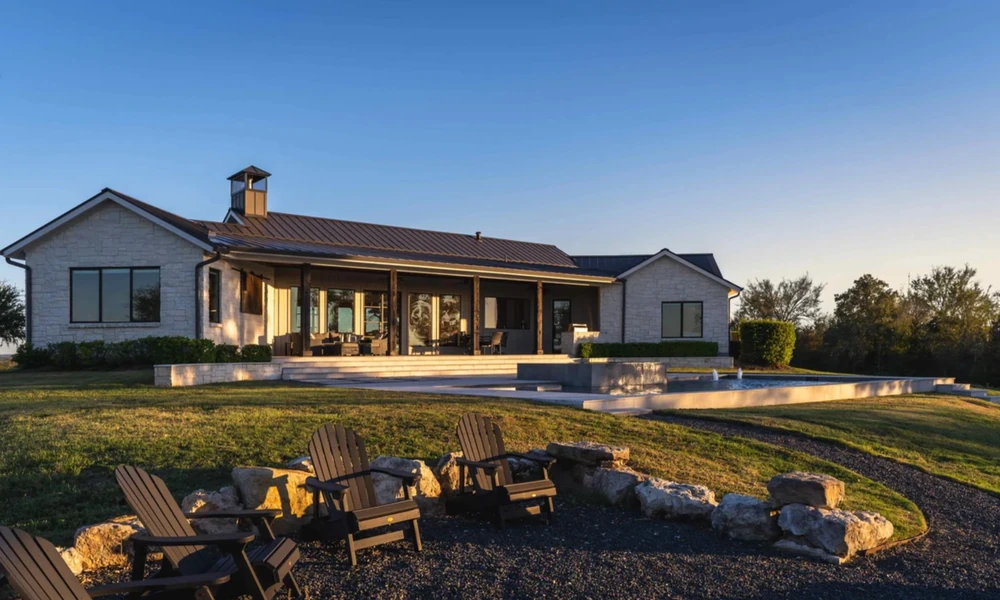
If you’ve lived in Buda, Texas for any length of time, you’ve probably noticed how quickly the community continues to grow. New neighborhoods are expanding, older homes are being renovated, and many families are choosing to stay in their homes longer instead of moving every few years. As lifestyles change, so do electrical needs.
What worked perfectly for a family ten years ago may no longer support today’s technology. Between remote work, electric vehicles, smart home devices, outdoor entertainment spaces, and energy-efficient appliances, the average home uses considerably more electricity than it did just a decade ago.
Planning electrical upgrades before you actually need them can save thousands of dollars while making your home safer, more efficient, and ready for whatever comes next. Working with a Licensed Electrician in Buda, Texas helps homeowners make smart decisions that provide long-term value rather than temporary fixes.
Let’s take a deeper look at the electrical improvements that growing families throughout Central Texas should be considering.
Why Long-Term Electrical Planning Matters
Many homeowners only think about their electrical system when something stops working.
A breaker trips.
Lights begin flickering.
An outlet quits working.
While these situations certainly deserve attention, they’re often symptoms of an electrical system that’s struggling to keep up with modern demands.
Electrical systems should be viewed much like your home’s foundation or roof-they’re major infrastructure components that should support your family’s lifestyle for decades.
Instead of making reactive repairs, proactive planning allows upgrades to be completed in logical stages while avoiding emergency expenses later.
1. Electrical Panel Capacity: The Foundation of Every Future Upgrade
Your electrical panel is essentially the heart of your home’s electrical system.
Every new appliance, outlet, lighting circuit, and electrical device depends on it.
Many older homes around Central Texas were built with 100-amp service. At the time, that was more than adequate. Today’s households often require significantly more electrical capacity.
Modern homes commonly include:
- Multiple televisions
- Gaming systems
- Large HVAC systems
- Tankless water heaters
- Electric dryers
- Double ovens
- Smart home hubs
- Security cameras
- High-speed networking equipment
- Electric vehicle chargers
- Home offices
- Outdoor kitchens
Each addition increases electrical demand.
A properly sized 200-amp panel-or even larger in some custom homes-provides room for future expansion while improving safety and reducing overloaded circuits.
Signs your panel may be nearing capacity include:
- Frequently tripped breakers
- Limited space for additional breakers
- Flickering lights during appliance startup
- Warm breaker panel
- Multiple tandem breakers installed to save space
- Older electrical brands nearing the end of their service life
Upgrading before problems develop is almost always less expensive than waiting until emergency replacement becomes necessary.
2. Home Office Electrical Planning Has Become Essential
Only a few years ago, a home office might have consisted of one laptop.
Today, many households have two or three people working remotely while children attend online classes.
A modern office often includes:
- Multiple monitors
- Desktop computers
- Docking stations
- Network switches
- Routers
- Battery backups
- Printers
- Conference lighting
- Video equipment
- Climate control equipment
These devices often operate continuously for eight to ten hours every day.
Dedicated office circuits help prevent nuisance breaker trips while providing stable power for expensive electronics.
Many homeowners also choose to install:
- Additional outlets
- USB charging outlets
- Floor outlets
- Structured wiring
- Ethernet cabling
- Whole-room surge protection
Planning these improvements during remodeling projects significantly reduces installation costs.
3. Preparing Today for Tomorrow’s Electric Vehicles
Electric vehicles continue becoming more common throughout Buda and the greater Austin area.
Even if your family doesn’t currently own one, there’s a good chance you eventually will.
Installing a Level 2 EV charger typically requires:
- Available panel capacity
- A new 240-volt circuit
- Proper conductor sizing
- Dedicated breaker
- Correct grounding
- Local code compliance
One of the smartest investments homeowners can make during renovations is preparing the electrical infrastructure before purchasing an electric vehicle.
This might include:
- Running conduit to the garage
- Reserving breaker space
- Installing larger service equipment
- Planning parking layouts
- Future-proofing electrical capacity
Even if the charger isn’t installed immediately, having the infrastructure ready dramatically reduces installation costs later.
4. Outdoor Living Spaces Require More Planning Than Most People Expect
Outdoor living has become part of everyday life throughout Central Texas.
Backyards increasingly feature:
- Covered patios
- Outdoor kitchens
- Televisions
- Ceiling fans
- Landscape lighting
- Pool equipment
- Hot tubs
- Decorative lighting
- Audio systems
- Pergolas
- Outdoor heaters
Many homeowners underestimate the electrical planning involved.
Rather than relying on extension cords or overloaded exterior outlets, professionally designed outdoor electrical systems include dedicated circuits designed specifically for outdoor conditions.
Planning electrical work early also allows wiring to be concealed before patios, concrete, or landscaping are completed.
This creates a cleaner appearance while protecting wiring from future damage.
5. Dedicated Appliance Circuits Protect Both Safety and Performance
As families grow, kitchens and laundry rooms become busier than ever.
Large appliances generally require dedicated circuits because they consume substantial electrical current.
Examples include:
- Refrigerators
- Microwaves
- Wall ovens
- Dishwashers
- Garbage disposals
- Washing machines
- Dryers
- Freezers
- Wine refrigerators
Adding appliances without evaluating circuit capacity often results in overloaded wiring.
Dedicated circuits help ensure:
- Better appliance performance
- Longer equipment life
- Reduced breaker trips
- Lower overheating risks
- Easier troubleshooting
This becomes especially important during kitchen remodels where multiple new appliances are installed simultaneously.
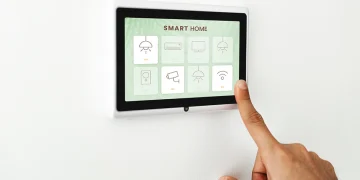
Smart Home Integration Starts with Good Electrical Design
Smart technology has evolved far beyond voice assistants.
Today’s connected homes often include:
- Smart lighting
- Automated shades
- Security systems
- Doorbell cameras
- Leak detectors
- Smart thermostats
- Irrigation controls
- Garage automation
- Whole-home audio
- Energy monitoring
Rather than adding smart devices one at a time, homeowners benefit from creating an overall electrical plan.
Professionally installed smart home infrastructure provides:
- Better wireless coverage
- Cleaner installations
- Reliable power
- Simplified maintenance
- Room for future expansion
Good planning prevents a patchwork of devices that become difficult to manage over time.
Whole-Home Surge Protection Is Becoming More Important Every Year
Most homeowners think surge protection means plugging electronics into a power strip.
Unfortunately, those strips only provide limited protection.
Power surges can originate from:
- Lightning activity
- Utility switching
- Air conditioner startup
- Large motor loads
- Generator transitions
- Electrical faults
Whole-home surge protection is installed directly at the electrical panel, helping protect nearly every connected device throughout the house.
Considering the value of today’s electronics-including HVAC equipment, refrigerators, televisions, computers, smart appliances, and home automation systems-the investment is relatively small compared to potential replacement costs.
For families relying heavily on technology, whole-home surge protection has become one of the most practical electrical upgrades available.
Plan Electrical Improvements Before Renovations Begin
One of the biggest mistakes homeowners make is waiting until remodeling is already underway before contacting an electrician.
Electrical work is typically easiest-and least expensive-before:
- Drywall installation
- Flooring replacement
- Cabinet installation
- Concrete pours
- Patio construction
- Insulation
- Painting
Early planning allows electricians to:
- Route wiring efficiently
- Size circuits correctly
- Recommend panel upgrades
- Coordinate with contractors
- Minimize wall damage
- Reduce labor costs
Whether you’re remodeling a kitchen, adding bedrooms, finishing a garage, or building an outdoor entertaining space, electrical planning should happen during the earliest design stages.
Can a Handy Homeowner Do These Electrical Upgrades?
Many homeowners in Texas enjoy taking on DIY projects, and there are certainly tasks around the house that a skilled do-it-yourselfer can complete successfully. Painting, installing shelving, replacing cabinet hardware, or landscaping are all great examples of projects that can save money while improving a home.
Electrical work, however, is a different category altogether.
Projects such as electrical panel upgrades, installing new circuits, adding 240-volt wiring for EV chargers, wiring outdoor kitchens, connecting standby generators, modifying service equipment, or expanding branch circuits involve much more than simply connecting wires. These installations require an understanding of the National Electrical Code (NEC), local permitting requirements, proper grounding and bonding practices, conductor sizing, breaker coordination, load calculations, and safe testing procedures.
Mistakes may not be immediately obvious. Improperly installed electrical systems can continue operating for months or even years before creating dangerous conditions such as overheating, equipment damage, electrical shock, or fire hazards.
Many electrical projects also require inspections to verify that the installation meets current code requirements. In addition, improperly completed work can complicate future home sales or insurance claims if it does not comply with local regulations.
For these reasons, major electrical improvements are best left to the Texas licensed electricians that Buda homeowners rely on every day. An experienced professional can evaluate your home’s existing electrical system, identify hidden issues, ensure every installation is completed safely, and help protect your investment for years to come.
Looking Ahead: Building a Home That Grows with Your Family
The electrical system behind your walls may not be something you think about often, but it plays a critical role in supporting your family’s daily life. Whether you’re welcoming a growing family, creating a permanent home office, planning for electric vehicles, upgrading outdoor living areas, or simply preparing your house for the next twenty years, thoughtful electrical planning pays dividends in safety, convenience, and long-term value.
Rather than making upgrades one emergency at a time, consider creating a comprehensive electrical roadmap that matches your family’s future goals. A Licensed Electrician in Buda, Texas can evaluate your home’s current capacity, recommend practical improvements, and prioritize projects that make the most sense for your budget.
By investing in your home’s electrical infrastructure today, you’ll be better prepared for tomorrow’s technology, lifestyle changes, and the continued growth that makes Buda such an exciting place to call home.