

Navigating the world of kitchen countertops can feel overwhelming, especially when each option promises to shape the heart of your home in distinct ways. What you choose will not only impact your day-to-day experience but will also leave a mark on your home’s value and personality.
Why Choosing the Right Kitchen Countertop Matters
A countertop is much more than a surface for food prep. Its color, texture, and durability all play starring roles in both kitchen functionality and overall design. A well-chosen countertop can elevate a modest kitchen into a striking hub for gatherings and creativity, making daily routines smoother and more enjoyable. On the flip side, an ill-matched material might struggle under heavy use, become a cleaning headache, or clash with your cabinetry.
When it comes to property value, countertops are a silent ambassador. Prospective buyers often judge kitchens most critically, and a high-quality, well-maintained countertop can tip the scales in your favor. Even if you’re not planning to sell soon, investing wisely now means fewer regrets later.
Case Study: Renovating a Montreal Kitchen with Granite
A young family in Montreal set out to upgrade their 1980s kitchen without breaking the bank. Their main requirements? Durability, ease of cleaning, and a timeless look that could survive both kids’ art projects and weekend dinner parties. After considering several materials, they gravitated toward granite for its natural character and proven longevity.
Granite wasn’t the cheapest upfront, but the family appreciated its resistance to heat and everyday wear. They also discovered that Kitchen Wholesalers granite countertops offered a rich variety of grades, making it possible to stay within budget while still getting a high-end finish.
The installation, handled by local professionals, was quick and relatively mess-free. Within five days, their kitchen was transformed. Six months on, the family reports not just satisfaction, but peace of mind: spills wipe away easily, and the surface still looks new.
Comparing Popular Countertop Materials Through Real Examples
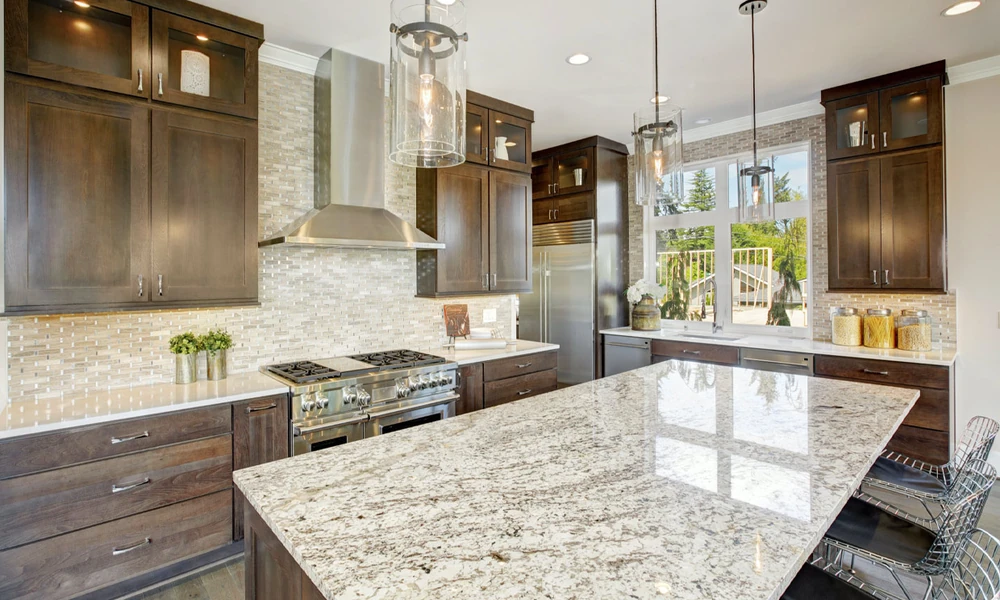
Granite boasts an authentic stone pattern, durability, and resistance to heat, making it ideal for passionate cooks. However, granite does require periodic resealing and, depending on the grade, can be a pricier investment.
Quartz, meanwhile, has surged in popularity for its sleek look and modern palette. It’s engineered for low maintenance, no sealing required, and offers impressive resistance to staining and scratching. However, quartz is less heat-tolerant than granite, so hot pans are best kept off the surface.
Other options include laminate, which appeals for its affordability and easy installation, although it’s more susceptible to chipping and heat damage. Marble is the winner for pure elegance but requires meticulous care and is prone to staining. Butcher block adds warmth and is forgiving on dropped dishes, but it needs regular oiling and can be vulnerable to moisture.
Key Factors to Weigh Before Deciding
Durability is paramount. Think about how often you cook, whether young children will be in the kitchen, and how much wear-and-tear the surface will face. Maintenance and cleaning requirements can save you time and stress down the line, granite and quartz tend to be more forgiving than marble or wood.
Consider environmental impact too. Some quartz countertops are manufactured with low carbon processes, and stone suppliers are increasingly transparent about sourcing. Don’t forget to weigh cost versus long-term value. A higher initial price may be justified by a longer lifespan and fewer replacements.
How Local Climate and Usage Patterns Affect Material Choice
Montreal’s range of temperatures and humidity fluctuations mean countertop materials must handle extremes. For instance, quartz holds up well in busy, fluctuating environments, and its low water absorption is a plus for families. Granite also fares well, provided it’s properly sealed.
A bustling family kitchen in Montreal that switched to quartz reports fewer issues with staining and no visible warping, even after a particularly humid summer.
Working with Suppliers and Showrooms: Lessons from Toronto and Montreal
Visiting a showroom can be an eye-opener. Expect to see dozens of slabs in different finishes and edges, plus the chance to touch and compare actual samples. It’s smart to ask about product grading, warranties, and whether the supplier offers installation. Knowing the difference between entry-level and premium grades helps set realistic expectations, and budgets.
When you meet with providers, ask for full details on maintenance, sourcing, and what happens if the material chips or cracks. Showrooms in Toronto and Montreal, like those run by Kitchen Wholesalers, emphasize the value of transparency and client education.
Installation and Aftercare: Ensuring Longevity
Smooth installation starts with accurate measurements and trusting experienced installers. Small issues during fitting, like uneven cabinets or awkward corners, need quick solutions to prevent future problems.
Once installed, care routines depend on the material. For granite, reseal annually and avoid harsh cleaners. Quartz needs only mild soap and water. For damage, prompt professional repair prevents minor chips from worsening.
Final Thoughts: Balancing Style, Function, and Budget
Choosing a countertop isn’t just about today’s trends or prices. It’s about making an informed decision that will serve you, your family, and future homeowners. A checklist of priorities, appearance, durability, maintenance, cost, will keep you focused when options overwhelm.
Homeowners who’ve gone through renovations often highlight the satisfaction of investing in a surface that stands up to daily life and still looks beautiful years later. With thoughtful research and the right supplier, your kitchen countertop will reward you every single day.