

1. INTRODUCTION
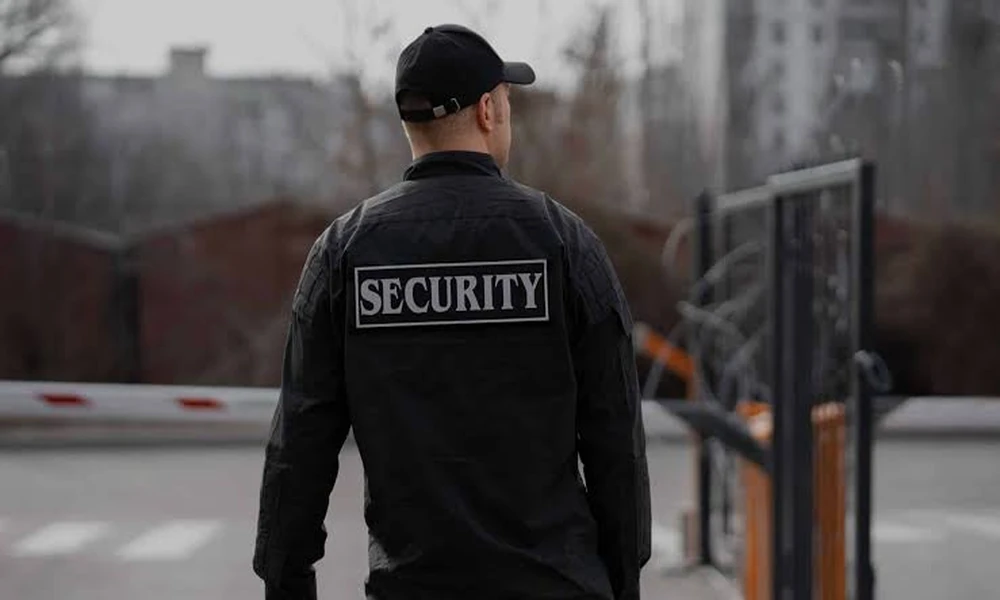
The start of good building safety is with people who watch, notice, and act. A practical layer of protection is added that even technology alone cannot provide safety as dedicated watch security, trained guards or teams assigned to monitor one building or a small group of buildings. When combined with good systems, watch security reduces risks, improves response time when emergencies occur, and builds trust among occupants.
For properties where fire hazards are an ongoing concern, dedicated monitoring can provide an important additional layer of protection. Professional fire watch security Tulsa teams can patrol designated areas, identify smoke, heat, blocked exits, or other warning signs, and quickly report concerns before they become more serious. This type of human oversight is especially useful when fire alarms, sprinklers, or other protective systems are temporarily unavailable, helping building owners maintain a safer environment while normal safety measures are restored.
2. WHY DOES DEDICATED WATCH SECURITY MATTER?
Unauthorized entrance, vandalism, fire, medical problems, and suspicious activity are just a few of the safety issues that buildings must deal with. Alarms and cameras are useful, but they cannot take the place of human judgment. Uncertain scenarios can be interpreted, evacuations can be directed, and choices can be made immediately by a dedicated security watch. Additionally, their presence reassures residents, staff, and guests and discourages any troublemakers.
3. KEY ROLES AND RESPONSIBILITIES
A watch security team performs a number of crucial tasks. Patrols search communal spaces, windows, and doors for dangers such as broken lights or obstructed exits. Verifying IDs and recording visitors are among the responsibilities of access control. Watch guards actively check surveillance feeds rather than passively, which facilitates the prompt detection of anomalous activities. They are taught how to use emergency gear, administer basic first aid, and work with police or firemen as needed. Building managers can identify trends and address persistent issues with the use of clear reporting following each shift.
4. TRAINING AND SKILLS
Strong training is essential for effective watch security. Guards should be familiar with evacuation routes, emergency protocols, and how to use AEDs and fire extinguishers. Communication skills are important because calm, precise instructions lessen anxiety. Since security personnel frequently serve as the building’s initial point of contact, training must also cover the fundamentals of customer service. Frequent exercises help identify weaknesses in planning and keep skills fresh. Teams stay informed about emerging risks and recommended practices through ongoing training.
5. INTEGRATING TECHNOLOGY
With the correct technology, dedicated watch security is most effective. Guards can quickly exchange information thanks to two-way radios, smartphone apps, and real-time video feeds. While sensors for smoke, carbon monoxide, or water leaks notify guards before minor issues grow into major ones, access control systems that log entries aid in spotting trends. Instead than taking the position of guards, technology should enhance them. When time is of the essence, straightforward interfaces and dependable systems minimize confusion.
6. BENEFITS FOR BUILDING OWNERS AND OCCUPANTS
Long-term expenses are reduced and safety is increased with a dedicated watch. Larger damage and liability claims are avoided by promptly addressing minor problems. Buildings with trained security are frequently seen positively by insurance companies, which can lower premiums. Owners profit financially when tenants feel safer and remain longer. A skilled guard might mean the difference between chaos and order in an emergency.
7. CONCLUSION
When it comes to the safety of a building, dedicated watch security is a practical, human-centered approach. It adds to technology, speeds up emergency response, and creates a safe daily environment for everyone who uses the building. Look at it like this: Investing in trained guards, ongoing drills, and integrated tools is an investment in safety, peace of mind, and long-term savings.