

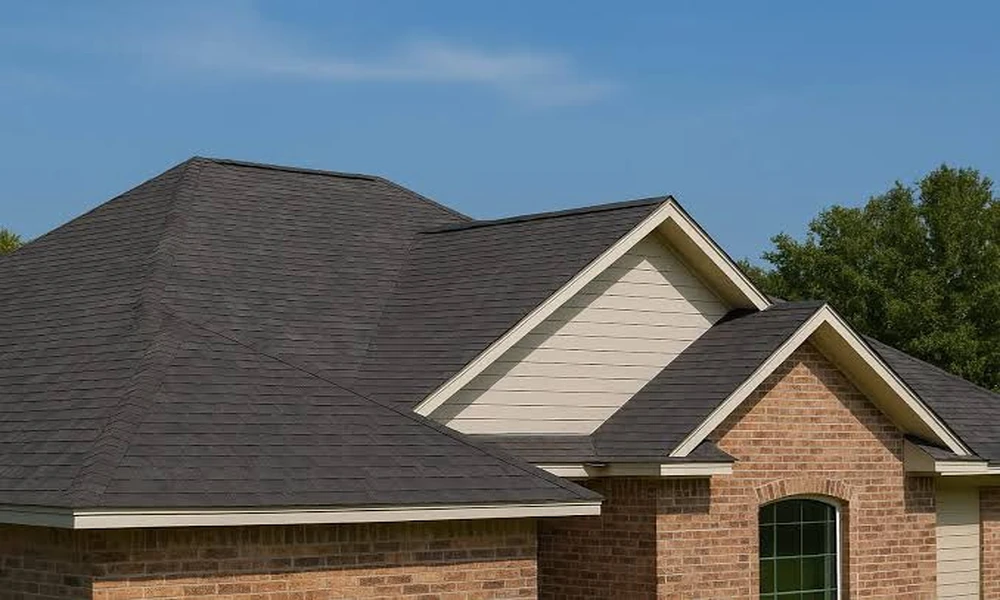
Few parts of a house work as hard as the roof and exterior. They absorb months of triple-digit heat, survive sudden hailstorms, and shed heavy rain, often with little maintenance until something goes wrong. In states with extreme weather, small problems can turn into expensive repairs surprisingly fast.
Understanding how your home’s outer shell works makes it easier to spot trouble early and make smart decisions. Contractors like AllTex Roofing & Exteriors often note that most major roof failures begin as minor, easily missed issues, such as a lifted shingle, a cracked bead of sealant, or a clogged gutter. This guide covers what to look for and how to choose materials and timing wisely.
Think of your home’s exterior as a system rather than a set of separate parts. The roof, gutters, siding, flashing, and ventilation all depend on one another. When one fails, the others usually pay the price.
Why Climate Matters So Much
Climate shapes how long materials last. Intense UV exposure dries out the oils in asphalt shingles, making them brittle. Rapid temperature swings cause materials to expand and contract, loosening fasteners and opening hairline gaps. Hail can bruise shingles without leaving visible holes, weakening them from within.
Moisture is the other major threat. Water rarely announces itself with dramatic leaks. It creeps behind siding, soaks insulation, and rots wood sheathing for months before a stain appears on the ceiling.
The Core Components of a Healthy Exterior
Each part of the system has a specific job:
- Roofing material: The first line of defense against sun, rain, and impact.
- Underlayment: A hidden water-resistant layer beneath the shingles that catches what the surface misses.
- Flashing: Metal strips sealing joints around chimneys, vents, skylights, and valleys, where most leaks start.
- Gutters and downspouts: These carry water away from the foundation and fascia.
- Siding and trim: These protect wall cavities from moisture and pests.
- Attic ventilation: This balances temperature and humidity, extending the life of everything above it.
A Seasonal Inspection Routine
You don’t need to climb onto the roof to catch most problems. A simple routine twice a year, ideally in spring and fall, goes a long way.
- Start from the ground. Use binoculars to scan for missing, curled, or cracked shingles and for granules collecting in gutters.
- Check the gutters. Look for sagging sections, standing water, or overflow stains on siding.
- Inspect the attic. On a bright day, look for daylight through the roof boards, damp insulation, or dark stains on the wood.
- Walk the perimeter. Look at siding for warping, soft spots, peeling paint, or gaps near windows and doors.
- Review after storms. Hail, high winds, and fallen limbs warrant a closer look even if nothing seems wrong.
Photograph anything suspicious with a date stamp. Those records can be valuable for insurance claims later.
Comparing Common Roofing Materials
No single material suits every home. This table summarizes the typical trade-offs:
| Material | Typical Lifespan | Strengths | Considerations |
|---|---|---|---|
| Asphalt shingles | 15-30 years | Affordable, widely available | Vulnerable to hail and heat aging |
| Metal roofing | 40-70 years | Durable, reflects heat | Higher upfront cost |
| Clay or concrete tile | 50+ years | Fire-resistant, long-lasting | Heavy, needs structural support |
| Impact-resistant shingles | 20-30 years | Better hail performance | Costs more than standard shingles |
Lifespans are general estimates. Installation quality, ventilation, and local weather often matter as much as the material itself.
Energy Efficiency Starts Overhead
Your roof strongly influences cooling costs. Reflective, light-colored surfaces bounce more sunlight away from the home, keeping attic temperatures down. The U.S. Department of Energy explains how cool roofs reduce heat absorption and can lower air-conditioning demand, particularly in hot climates. If you’re comparing products, the ENERGY STAR roof products guide lists qualifying options and explains how reflectivity ratings work.
Good insulation and balanced ventilation complete the picture. Even the best roofing material underperforms if a poorly ventilated attic traps heat and moisture.
Warning Signs You Shouldn’t Ignore
Some symptoms call for prompt attention:
- Shingles that are cracked, buckled, or missing
- Bare patches or heavy granule loss
- Water stains on ceilings or walls
- Daylight visible in the attic
- Rusted or lifted flashing
- Peeling paint or bubbling siding
- A sagging roofline
Any of these can signal active water intrusion. Addressing them early typically costs far less than fixing the structural damage that follows.
Repair or Replace?
This decision frustrates many homeowners. A few guidelines help.
Repair makes sense when damage is localized, the roof is relatively young, and the surrounding materials are in good shape. Replacing a handful of shingles or resealing flashing can add years of service.
Replacement makes sense when the roof is near the end of its expected lifespan, damage is widespread, leaks keep returning, or storm damage affects large sections. Layering repairs on an aging roof often costs more over time than a single replacement.
How to Evaluate a Contractor
Whoever you hire, a few due-diligence steps protect you:
- Verify licensing (where required), insurance, and local references.
- Get at least three written estimates and compare scope, not just price.
- Ask about warranties on both materials and workmanship.
- Confirm how they handle permits, cleanup, and unexpected repairs.
- Be cautious of high-pressure tactics, especially after storms.
A trustworthy professional explains the problem clearly, shows you the evidence, and gives you time to decide.
Insurance and Documentation
Roof claims are easier when you’re prepared. Know your policy’s deductible, especially any separate wind or hail deductible, and understand whether coverage is based on replacement cost or actual cash value. Keep records of past inspections, repairs, and receipts. After a storm, document damage before making temporary repairs, and keep those receipts too.
Frequently Asked Questions
How often should a roof be professionally inspected?
Once a year is a sound baseline, plus after any severe storm.
Can I install new shingles over old ones?
Sometimes, but it can hide underlying damage and add weight. A full tear-off allows inspection of the decking.
Does a darker roof really cost more to cool?
Generally yes, since dark surfaces absorb more heat, though insulation and ventilation also play major roles.
What is the most overlooked maintenance task?
Cleaning gutters. Clogged gutters cause water to back up under shingles and soak fascia boards.
Final Thoughts
A durable exterior comes from consistent attention rather than dramatic fixes. Inspect seasonally, understand your materials, respond to warning signs quickly, and choose professionals who prioritize transparency. Small, steady habits protect your home’s structure, comfort, and value for decades.